
Aug. 07, 2026
Start with the project schedule, not the material name. Before we price uPVC windows or aluminium windows, we ask for the project location, building height, opening sizes, glass specification, and any wind-pressure requirement. Those details determine whether the two options are genuinely comparable.
For repeated, standard-size windows in a low-rise residential project, uPVC is often the first option to price. It usually starts with a lower frame cost, limits heat transfer through the frame, and does not rust. Aluminium deserves the first structural review when the project has tall elevations, large openings, strong wind exposure, severe sun exposure, or a slim-frame design brief.
The final choice still rests on the tested system. NFRC explains that window ratings are based on performance information for complete fenestration products, not just the frame material. Wind-exposed projects need design pressure, tested size, glass thickness, reinforcement, mullion design, and hardware data. A material label cannot replace those checks.
| Project condition | Practical starting point | What to verify before quoting |
|---|---|---|
| A low-rise residential project with repeated standard openings | Price uPVC first when cost control and insulation are the main priorities. | Send the window schedule, profile series, glass build-up, hardware level, quantity, and opening direction. |
| A low-rise coastal project | uPVC is a strong option because the frame itself does not rust. | Confirm the hardware grade, gasket, glass, wind exposure, and export packing. |
| A cold or insulation-focused market | Compare uPVC with thermal-break aluminium only when the design requires aluminium. | Compare the complete window U-factor and glazing build-up, not frame material alone. |
| A hot, sunny, or high-radiation location | Start with SHGC, profile weathering, colour stability, and opening size before selecting either material. | Confirm glass SHGC, profile weathering class, colour, and facade exposure. |
| A high-rise or exposed elevation | Start the structural review with aluminium. | Request performance grade, design pressure, tested size, mullion design, glass data, and applicable code documents. |
| A large glazed opening or slim-frame facade | Aluminium is usually easier to engineer for this brief. | Check glass thickness, hardware, wind-load requirement, finish, and thermal-break specification. |
| A mixed apartment project | Split the package by opening type instead of forcing one material into every location. | Price standard bedroom windows and large living-room openings as separate groups. |
The phrase "uPVC window" covers very different products. It might mean a basic sliding window for a budget apartment, or a reinforced multi-chamber casement system with double glazing and branded hardware. Aluminium works the same way. A basic non-thermal-break frame and a large thermal-break system with insulated glass are not comparable simply because both are called aluminium windows.
That difference shows up in quotations. Two suppliers can quote the same casement size while using different profile series, wall thicknesses, glass build-ups, handles, rollers, gaskets, colours, and packing methods. The lower price may reflect a lighter specification rather than a better deal.
For a uPVC quotation, provide the profile series, wall thickness, chamber design, reinforcement, glass build-up, gasket material, colour or lamination, hardware level, and any required tested configuration. Durable Window's public catalogue includes uPVC casement systems in 42 mm, 60 mm, 65 mm, 70 mm, 80 mm, and 82 mm series. Its PVC/uPVC sliding systems include 70 mm, 80 mm, 88 mm, 94 mm, 112 mm, and 166 mm series.
For an aluminium quotation, provide the profile series, wall thickness, thermal-break requirement, finish, gasket, hardware, glass, and project exposure. The public catalogue includes aluminium casement and sliding examples in 50 mm, 60 mm, 70 mm, 80 mm, 100 mm, and 112 mm systems, with powder coating, anodizing, and customized finishes.
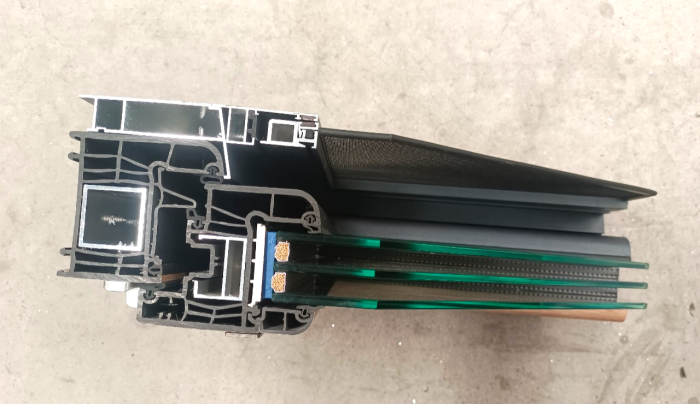
Under like-for-like residential specifications, uPVC often starts with a lower frame cost. That makes it relevant for price-sensitive low-rise projects in South America, the Caribbean, parts of Africa, and similar residential markets.
The cost gap can close when the specification changes. A larger uPVC profile, galvanized steel reinforcement, Low-E double glazing, laminated glass, non-standard colour, or branded hardware can bring the uPVC quotation closer to aluminium. A basic aluminium window can also lose its apparent price advantage once the project needs a thermal break, higher-grade finish, stronger hardware, or a higher wind-load rating.
Keep these items constant before comparing prices:
| Quote factor | What changes in the quotation | Information needed for a fair comparison |
|---|---|---|
| Window schedule | Size changes the frame, glass, hardware, packing, and production plan. | Width, height, quantity, and opening direction |
| Profile system | Larger series and thicker walls usually increase cost. | Required series, performance target, or supplier recommendation |
| Reinforcement | uPVC may need galvanized steel reinforcement for the required strength. | Reinforcement requirement or project condition |
| Glass | Glass type affects cost, safety, solar control, and insulation. | Build-up, thickness, coating, and safety requirement |
| Hardware | Hardware grade changes both price and service life. | Opening method, hardware grade, and brand preference |
| Finish | Lamination, foil, powder coating, and anodizing are priced differently. | Colour, finish, and exposure condition |
| Shipping | Export packing and container loading change landed cost. | Destination, incoterms, and packing requirement |
If the inquiry only says "please quote uPVC and aluminium windows," the result is a budget indication. A firm comparison starts once the window schedule is complete.
uPVC generally limits heat transfer through the frame more readily than an unbroken metal frame. That does not mean every uPVC window will outperform every aluminium window. Glass build-up, Low-E coating, gas fill, spacer, reinforcement, thermal break, air leakage, and installation can change the result.
For a serious comparison, ask for the complete-window energy data rather than comparing material names. NFRC identifies certified energy-performance information for windows, doors, skylights, and commercial facades. Its certified-products directory can be used to check whether a listed configuration has product-level performance information. Use U-factor when the main concern is heat transfer through the complete window. Use SHGC when solar gain and cooling load are important.
Use the energy data in the same way an estimator would:
| Data item | Why it matters | What to ask the supplier to provide |
|---|---|---|
| U-factor | Indicates heat transfer through the complete window. | The rated value, test method, product size, and glazing build-up |
| SHGC | Helps assess solar heat entering through the window. | The rated value, glass type, coating, and climate assumption |
| Glass build-up | Often changes the result more than the material label. | Single, double, or triple glazing; thickness; spacer; gas fill; Low-E |
| Frame construction | Separates basic aluminium from thermally improved aluminium. | Thermal break details, chambers, reinforcement, and profile series |
| Test scope | Prevents a rating from being applied to a different configuration. | Tested size, opening style, hardware, glass, and report or label |
The practical conclusion is simple: a uPVC frame with basic glazing is not automatically better than a thermally broken aluminium system with high-performance glass. Compare the complete tested configuration.
High-rise buildings and exposed elevations require a structural review before anyone selects a material. The quotation needs the tested size, design pressure, glass thickness, hardware, mullion design, reinforcement, and local code context.
FGIA's FAQ explains the role of North American fenestration standards, including air leakage, water penetration resistance, structural performance, and forced-entry resistance. WBDG's coastal window guidance is also a useful reminder that coastal projects need a design review for wind, water, opening protection, and installation conditions. In practice, this means the buyer should request the performance grade or tested design pressure for the actual window configuration.
For a low-rise or mid-rise project with standard residential openings, uPVC can work when the supplier confirms the required reinforcement and tested configuration. For tall buildings, large spans, exposed facades, or slim-frame designs, aluminium is normally the safer system to evaluate first.
Do not select uPVC only because the starting quotation is lower. Stop and review the system when the project has high-rise wind-pressure requirements, very large openings, severe long-term heat or UV exposure, a strict slim-frame brief, or unclear structural requirements. Aluminium may be the more appropriate first system to engineer in those conditions.
The material decision changes with the climate. Heat and sunlight affect solar gain, profile weathering, and colour stability. Coastal air affects finishes, fasteners, hardware, and long-term maintenance. Wind exposure can raise the structural requirement.
In a hot or high-radiation location, start with the glass SHGC, facade exposure, profile weathering requirement, colour, and opening size. In a coastal location, do not evaluate the frame alone: hardware, fasteners, gaskets, glass, coating or lamination, and installation details also need an exposure review.
uPVC does not rust, which makes it attractive for many low-rise coastal housing projects. Aluminium can also perform well near the coast, but the alloy, powder coating or anodizing specification, and hardware grade need to match the exposure. Ask the supplier to identify the finish and hardware configuration in the quotation instead of accepting a generic phrase such as "coastal grade."
| Market or climate | Material approach | RFQ focus |
|---|---|---|
| South America | Start with uPVC for cost-sensitive low-rise work; review aluminium for premium, large, or exposed openings. | Heat exposure, building height, profile quality, and wind condition |
| Caribbean | Use uPVC for many low-rise coastal units; review aluminium when wind demand or opening size rises. | Wind-load requirement, hardware, finish, and glass |
| United States | Select the system through code, rating, climate, and design requirements. | Performance rating, local code, and climate-specific glass |
| Canada | uPVC is often a useful insulation-first option; aluminium needs thermal break and suitable glazing. | U-factor, glass build-up, and installation details |
| Australia | Severe sun exposure makes profile quality, colour, SHGC, and opening size central to the decision. | UV/weathering, SHGC, colour stability, and size |
| Coastal projects | uPVC resists rust; aluminium depends on the finish and hardware specification. | Hardware grade, coating or anodizing, and wind exposure |
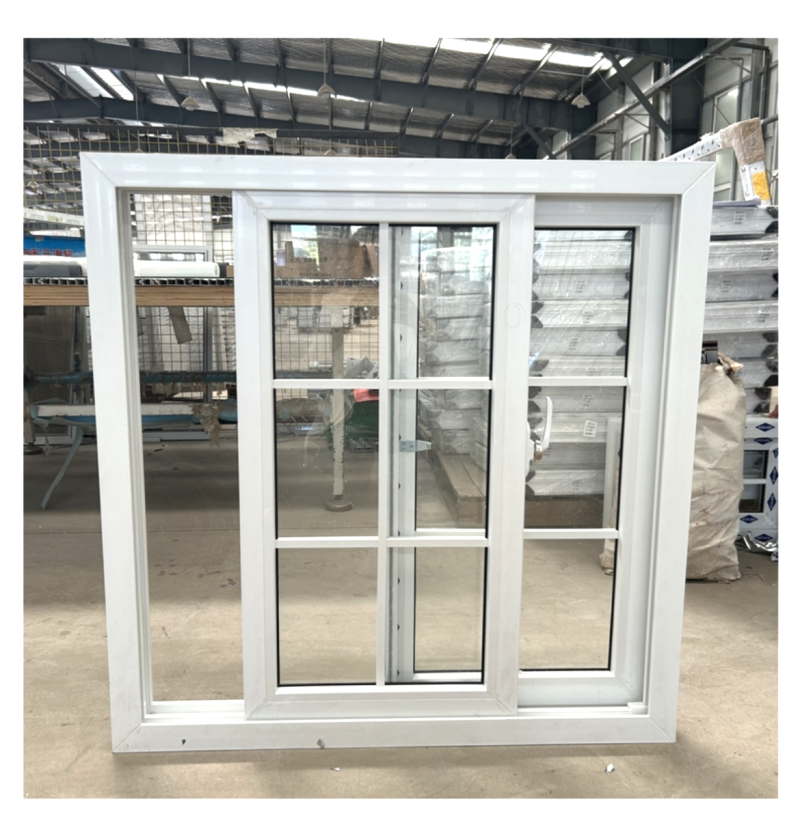
A project does not always need one material for every opening. In a low-rise apartment project, uPVC sliding windows may suit repeated bedroom openings and standard units. Aluminium may be the better match for large living-room openings or exposed public-facing areas.
One Durable Window case involved uPVC sliding windows for a low-rise residential community in Panama. The builder had standard openings, needed cost control, and was familiar with sliding windows in that market.
| Project area | Starting material | Reason |
|---|---|---|
| Standard bedroom windows | uPVC | Repeated sizes support cost control and insulation. |
| Budget apartment units | uPVC | Standard residential openings often fit the system well. |
| Coastal low-rise units | uPVC | The frame resists rust. |
| Large living-room openings | Aluminium | The system provides stronger frame and slimmer sightline options. |
| Exposed high-rise elevations | Aluminium | The project can begin with design-pressure and tested-size checks. |
| Premium facade areas | Aluminium | Large glass and modern design usually drive the specification. |
Get these details before asking a supplier for a firm uPVC vs aluminium comparison:
| Information | Why it matters |
|---|---|
| Material preference | Clarifies whether the supplier should price uPVC, aluminium, or both. |
| Window type | Casement, sliding, tilt and turn, sash/hung, awning, fixed, bay, and bifold systems use different profiles and hardware. |
| Dimensions | Width and height affect the frame, glass, hardware, and design pressure. |
| Opening style | Opening style changes profile, hardware, sealing, and price. |
| Profile series | The series affects strength, insulation, wall thickness, and cost. |
| Glass specification | Single, double, triple, insulated, tempered, laminated, and Low-E glass are not interchangeable. |
| Hardware level | Hardware changes price, durability, and operating performance. |
| Colour or finish | White, lamination, foil, powder coating, anodizing, and custom colours have different costs and exposure limits. |
| Quantity | Quantity changes production planning and unit cost. |
| Project location | Location affects climate, shipping, code, and wind exposure. |
| Wind-pressure requirement | This is critical for high-rise and storm-prone projects. |
| Packing and shipping terms | These terms matter for importers and distributors. |
6.Durable Window, contact page. Used for the project RFQ handoff and quotation request.
7.Durable Window product catalogue, 2026-08-07. Used for public product configuration examples, profile series, glass options, hardware options, gasket materials, surface treatment, and wall-thickness references.
8.Internal supplier experience notes, 2026-08-06 to 2026-08-07. Used for quote logic, the anonymous Panama low-rise project example, and the RFQ checklist.
If you are comparing uPVC and aluminium windows for a residential, commercial, or distributor project, send the window schedule with material preference, dimensions, opening styles, glass specification, hardware level, project location, and wind-pressure requirement. Durable Window can compare both options and prepare a project-based quote:
Provide the material, window dimensions, opening method, hardware configuration, glass configuration, quantity, project location, and any wind-pressure or certification requirements
Yes. Many projects can use a hybrid package. uPVC can be used for standard openings to control cost, while aluminium can be used for large openings, premium facade areas, sliding doors, or high-wind elevations.
Aluminium is usually better for high-rise buildings because it has stronger wind-pressure resistance and better structural rigidity. For high-rise projects, buyers should provide wind-load requirements and window dimensions before quoting.
uPVC should be used carefully in high-radiation or very hot areas. Strong heat and radiation may increase the risk of fading or deformation, especially with lower-quality profiles. Aluminium may be better when heat exposure and structural stability are major concerns.
uPVC can be a strong option for coastal areas because it has good corrosion resistance. However, buyers should still confirm hardware quality, glass requirements, wind pressure, and local climate conditions.
Under similar configurations, uPVC windows are usually cheaper than aluminium windows. However, the final quote depends on profile series, glass, hardware, opening method, size, finish, and quantity.
Aluminium is better for high-rise buildings, large openings, strong wind pressure, slim frames, and high-radiation environments. uPVC is usually better for lower cost, insulation, corrosion resistance, and many standard residential projects.


