


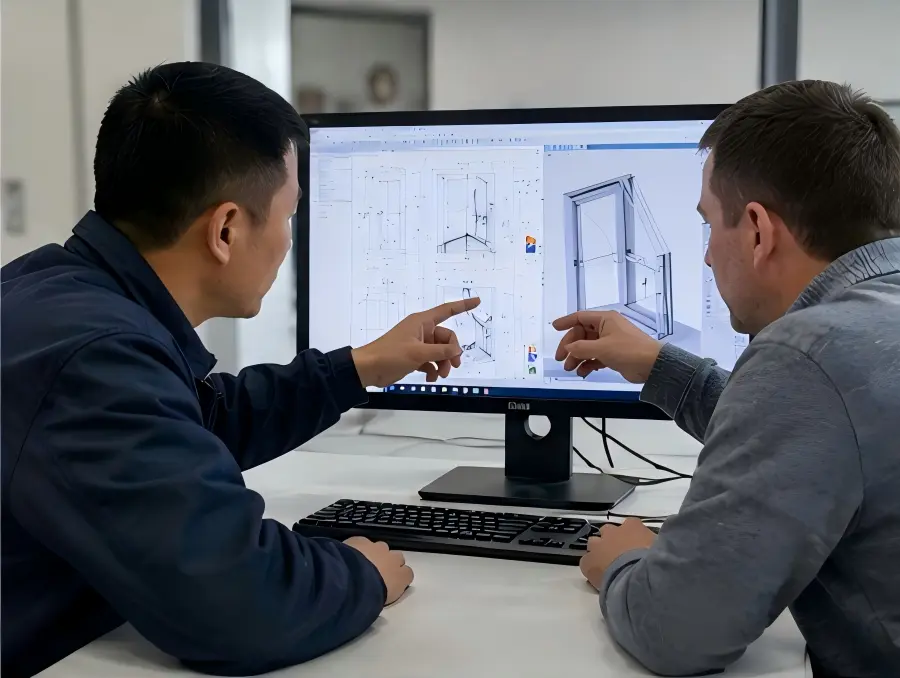
At Durable, a complete shop-drawing package is not required for a first inquiry. A buyer can start with the clearest available drawing, window schedule, sketch or specification. We review the information, identify points that need clarification, and can suggest modifications. The order moves toward formal mass production only after the drawing or specification is confirmed and the advance payment is received.
That distinction matters. A preliminary review, a quotation, a sample approval and a production release are different gates. Treating them as one step is how small misunderstandings about glass, opening direction or hardware become expensive changes later.
What to Send When the Drawing Is Incomplete
You do not need to wait for a perfect drawing before contacting a custom window manufacturer. Send the information that is available and identify what is still undecided.
Send at the first inquiry
- Window material: uPVC, aluminum or thermal-break aluminum
- Approximate or confirmed sizes, quantities or a window schedule
- Opening type: casement, sliding, awning, tilt and turn, fixed or another configuration
- Any drawing, sketch, elevation or reference image
- Preferred glass arrangement, if known
- Color, finish or film requirement
- Hardware expectations, if the project has a specified brand or function
- Destination country and port, if already known
The profile series is useful, but it is not always necessary at the first contact. If the buyer does not know whether a 60, 65, 70 or another series is appropriate, the manufacturer can first understand the project conditions and recommend a direction for discussion. The final series should be confirmed against the project specification, dimensions, glass and intended use.
This is different from a formal quotation package. For a more complete quotation checklist, see what B2B buyers should prepare before requesting a window quote.
Send now, confirm later
If you don’t have formal drawings or complete project information at the early stage and are mainly looking for a rough idea of the price, just let us know the current status of your project. We can still give you a preliminary quotation, which can be useful as a reference.
For example, you can mark the dimensions as “confirmed” or “to be verified.” For glass and hardware, you can indicate whether they are “required,” “preferred,” or “open to recommendations.” This gives the manufacturer enough information to get started without giving the impression that all specifications have been finalized and are ready for production.
For a project team, this simple labeling also creates a better handoff. Everyone can see which parts of the brief are decisions and which parts are questions.
Stage 1: Technical Review of the Drawing or Brief
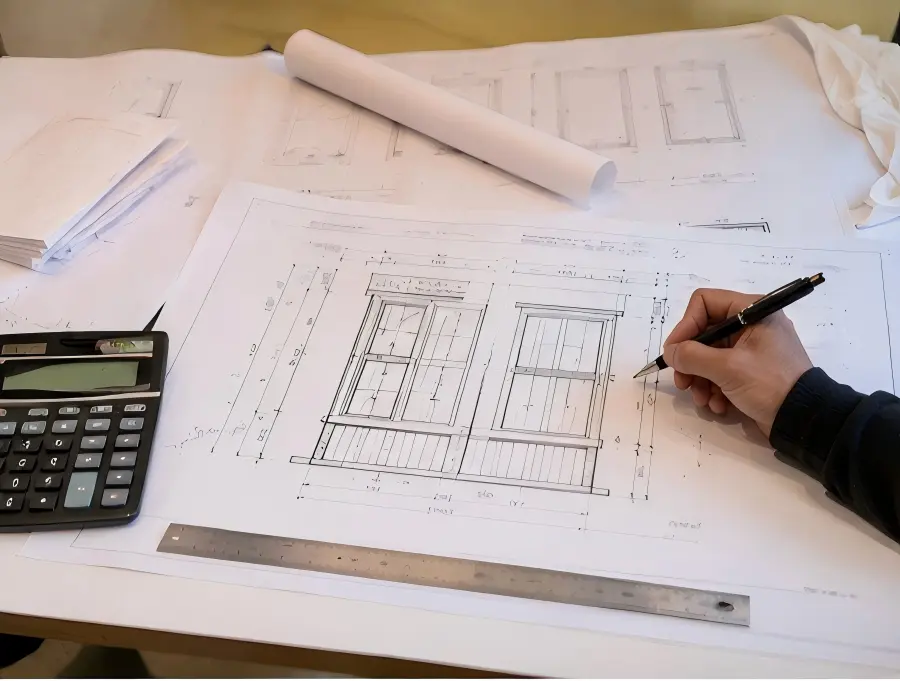
The first review is a feasibility and completeness check. It should answer questions such as:
- Are the overall dimensions and quantities understandable?
- Does the opening direction match the plan or elevation?
- Is the selected window type compatible with the intended installation?
- Are the glass, hardware, track and finish assumptions clear?
- Are there conflicts between the drawing, schedule and written notes?
- Which information is missing before a reliable quotation can be prepared?
Durable reviews customer drawings and can provide modification suggestions. This is a practical technical discussion, not a claim that a supplier replaces the buyer's architect, engineer or local code consultant. The buyer remains responsible for the project's design and regulatory requirements; the manufacturer needs an agreed specification that can be priced and produced.
For the available customization scope, see Durable's OEM/ODM window service.
Stage 2: Confirm the Specification That Will Be Quoted
Before comparing suppliers, make sure the quotations describe comparable windows. A price difference may come from a different material, glass build-up, hardware set or finish rather than from a simple difference in factory margin.
Here’s what our usual workflow looks like:
Material and profile
Confirm whether the project calls for uPVC, aluminum or thermal-break aluminum. Then confirm the relevant profile series and configuration where those details affect the frame, sash, glazing pocket or accessories.
If the material decision is still open, review the relevant uPVC window range, aluminum window range and thermal-break aluminum window range as separate product paths. The correct choice depends on the project's climate, design, budget, height, wind exposure and required configuration. The article is about controlling the custom-order process, not replacing that product selection work.
Dimensions and opening method
Record the finished opening or frame dimension clearly, and state which dimension convention is being used. List the opening method for each window: sliding, internal or external casement, awning, tilt and turn, fixed, bifold or another type.
“Casement window” alone may not be enough for production. The manufacturer may also need the handing, number of sashes, meeting stile, screen arrangement or hardware function. Those details should be confirmed before the production baseline is released.
Glass
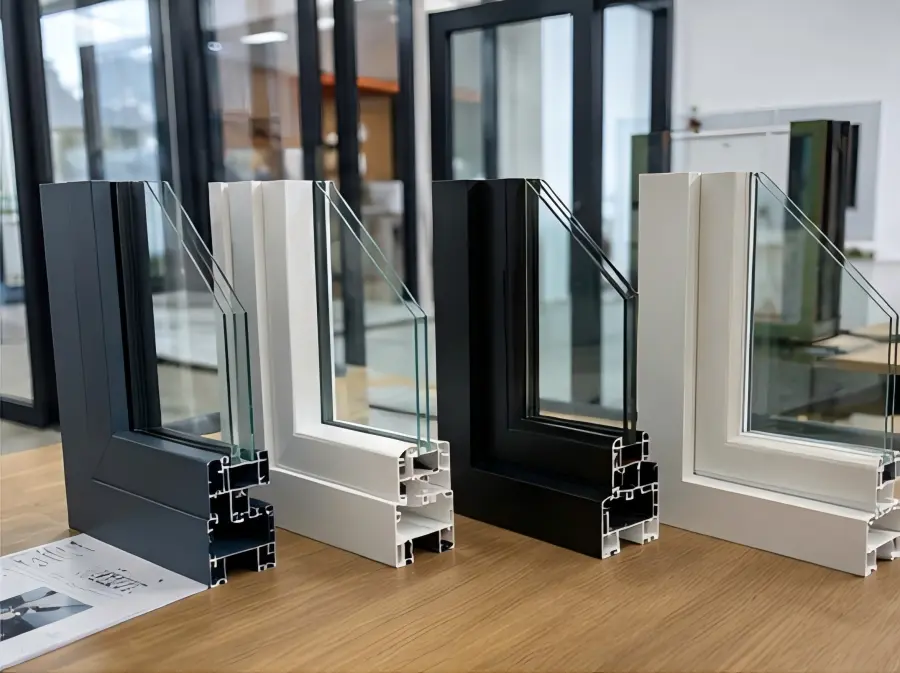
State the glass arrangement rather than writing only “safety glass” or “energy-saving glass”. Depending on the project, the specification may need to distinguish single, double or triple glazing, tempered glass, laminated glass, Low-E glass, spacer requirements and any acoustic or solar-control requirement.
The purpose is not to force a more expensive glass package. It is to prevent the supplier and buyer from using the same word for different products. If the glass is open for recommendation, say so and ask the supplier to identify the proposed make-up in the quotation.
Finish, hardware and tracks
Confirm the color, surface treatment or film, and whether the same finish is required on both sides. List hardware functions and any required brand, lock type, handle, roller, hinge or restrictor. For sliding windows, identify the track and roller assumptions; for other types, identify the relevant operating hardware.
The New Zealand Government's procurement guidance describes a useful general principle for this stage: requirements should be clear, complete, unambiguous, traceable and verifiable. That guidance is not a window-manufacturing standard, but it explains why a detailed specification is more useful than a short product label: Documenting your requirements.
When Are Shop Drawings or Samples Useful?
Shop drawings and physical samples solve different problems.
A shop drawing is useful when the project needs a controlled visual record of dimensions, sections, opening directions, interfaces or other production details. A buyer may begin with an existing drawing, a schedule or a sketch. Whether a shop drawing is needed depends on the project and the information that must be controlled.
A sample window answers a physical question: does the color, finish, glass appearance, hardware feel or general construction match what the project team expects? Durable can provide a sample when the customer requests one. A sample is not mandatory for every project. It is most useful when a physical decision is more reliable than a screen image or written description.
The important point is to record what the sample represents. A sample may show the finish and hardware while the final project uses different sizes or glass. The quotation and approval record should state which features are approved and which remain subject to the project specification.
Change Control Before Production Release
Custom work often develops through clarification. A drawing changes, a glass package is upgraded, a hardware brand becomes unavailable or the architect changes an opening direction. The problem is not that changes occur. The problem is allowing the old and new versions to circulate at the same time.
A change record should include the following information:
What has been changed: glass configuration, window dimensions, color, hardware, or opening direction.
The changes in values or specifications before and after the revision.
Whether the change affects the price, materials, accessories, packaging, or installation requirements.
The current version of the drawings, schedules, or quotation.
Confirmation from the person responsible for the order.
At Durable, changes can still be made after drawing confirmation and before formal production begins, subject to reconfirmation between both parties. This should not be understood as an unlimited right to change an order without cost or schedule impact. The practical question is whether the change has been reviewed and added to the agreed production information before release.
When Does Production Start?
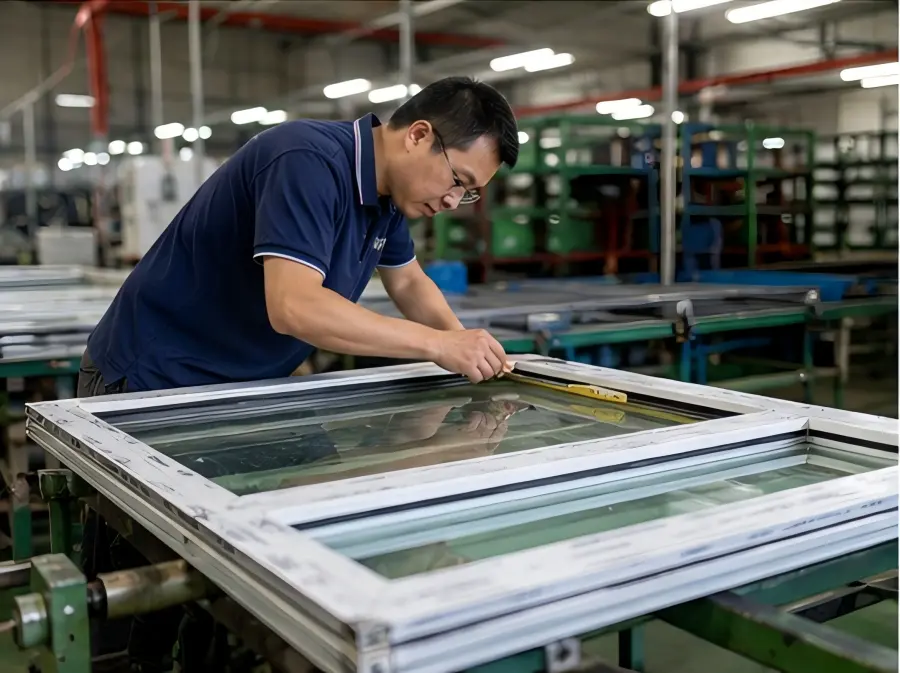
For the confirmed Durable process, formal mass production begins after the drawing or specification is confirmed and the advance payment is received.
This is the production-release gate. Before it, the project team may still be resolving dimensions, glass, hardware, color, tracks or other details. After it, a change should be treated as a controlled project change and reconfirmed rather than sent as an informal message.
The exact commercial terms depend on the order and agreement. Buyers should confirm the payment arrangement, Incoterm, delivery destination, schedule and any special packaging or labeling requirements in the formal quotation and order documents.
Pre-Shipment Checks and Packaging
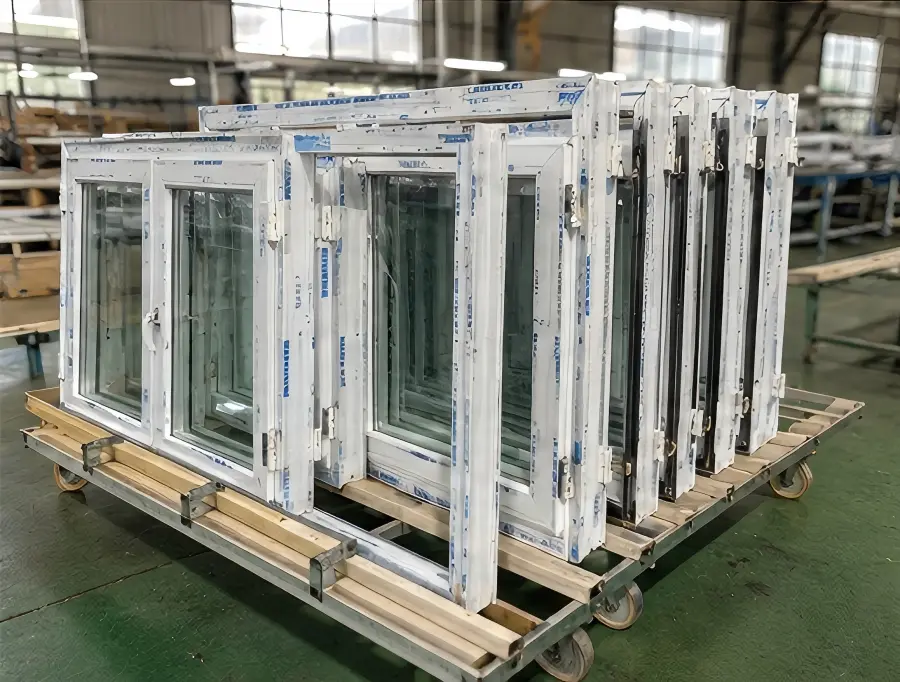
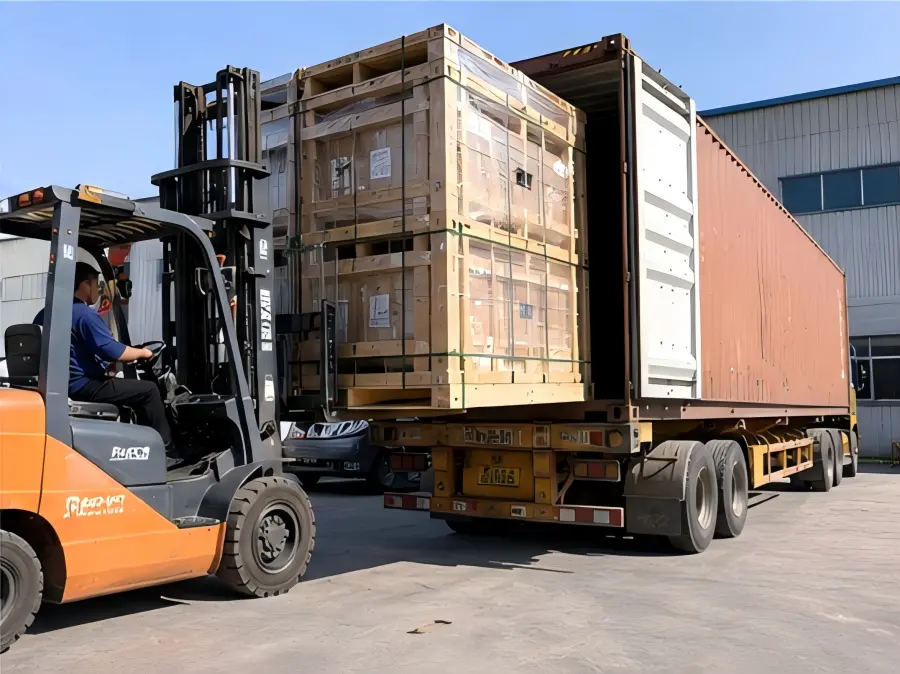
Before shipment, Durable's checks can include dimensions, color, hardware, tracks and opening/closing operation. These checks are intended to compare the finished order with the confirmed requirements and identify obvious issues before loading.
Packaging is not a single standard box chosen independently of the product. It is determined according to the window material, glass, transport method and project requirements. The packaging is checked for firmness, completeness, visible damage and the risk of damage during transport.
For the buyer, this is a good point to request the inspection and packing records agreed for the order. It is also sensible to confirm labels, item counts and loading photos when the project has multiple window types or phased delivery. These actions support traceability; they are not a guarantee that transport damage can never occur.
Example: A Three-Story Villa Project in the Dominican Republic
In 2022, Durable supplied custom windows for an anonymous three-story villa project in the Dominican Republic.
From a project management point of view, it is much easier to avoid problems when the window specifications are confirmed before production. After production, the finished windows and packaging can then be checked against the confirmed information before shipment.
That said, the details of one project cannot simply be used for another. Glass, design, and installation requirements can vary from project to project, so each order needs to be checked on its own.
Short RFQ Template for a Drawing-Based Project
You can send the following information to start a project review:
Project country/destination:
Window material: uPVC / aluminum / thermal-break aluminum
Available drawing, sketch or window schedule:
Approximate sizes and quantities:
Opening type: sliding / casement / awning / tilt and turn / fixed / other
Glass preference:
Color and finish:
Hardware or track requirement:
Questions or items still to be confirmed:
You do not need a complete drawing to make the first inquiry. Send the available information and identify the open items. For a project-specific review and quotation, contact Durable Window.
Sources
New Zealand Government: Documenting your requirements
Durable-specific process and project information in this article is based on the supplier's confirmed business information. It is not an external certification or a guarantee of identical results for every project.


