

For a building project, asking whether three panes insulate better than two is only a starting point. The useful question is whether the proposed double- and triple-glazed windows can be compared in the same window system, at the required size, against the project's thermal, solar and acoustic targets. If a supplier has supplied only a glass-only U-value, or has not confirmed that the frame and hardware can take the proposed unit, the selection is still open. Start with a matched window specification and comparable evidence.
This guide is for contractors, project buyers, design coordinators and importers comparing two glazing proposals. It does not name a universal winner or replace the project's local design and compliance requirements.
Quick Answer: What Should a Project Buyer Compare?
- Use the same comparison basis: window type, opening size, frame system, operation and project location.
- Compare whole-window evidence: do not compare a glass-center value from one option with a whole-window value from the other.
- Check system compatibility: confirm glass thickness and weight, glazing pocket, sash and hardware for the required size.
- Separate project targets: thermal performance, energy efficiency, solar gain, daylight and noise reduction require their own inputs and evidence.
- Request like-for-like quotations: drawings, finish, hardware and delivery scope should match before the price difference is evaluated.
Pane count is one part of the specification. On its own, it cannot determine which window a project needs.
Double vs Triple Glazed Windows: Start With Comparable Assemblies
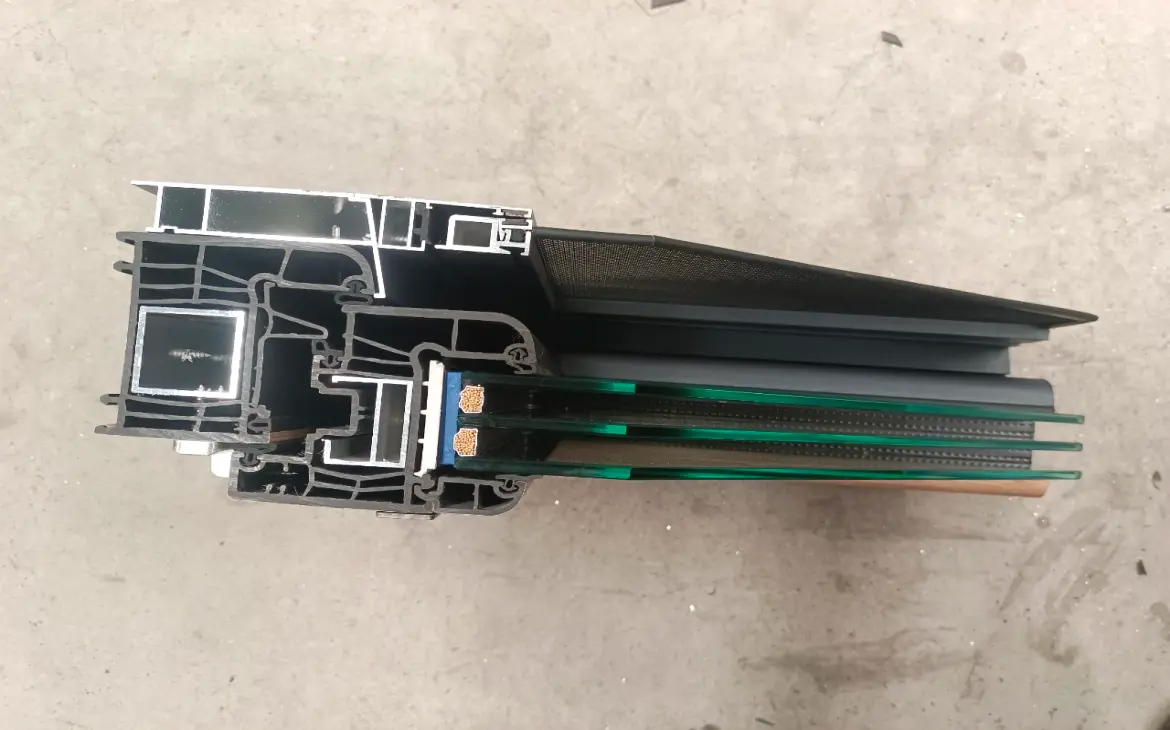
A double-glazed window uses two panes of glass separated by one sealed cavity. A triple-glazed window adds a third pane and a second cavity. Coatings, gas fills and spacers can vary within either option, so pane count alone does not describe the full specification. The Window & Glass Association of New Zealand's glazing guide explains the basic constructions, while a U.S. Department of Energy selection guide treats the glazing, spacer and frame as parts of the completed window.
| Difference to verify | Double-glazed window | Triple-glazed window | Project implication |
|---|---|---|---|
| Glazed unit construction | Two panes of glass and one cavity | Three panes of glass and two cavities | Record the full glass build-up; the name alone does not define coatings, gas fill or spacer. |
| Insulation and heat-loss evidence | Request the proposed whole-window result | Request the proposed whole-window result on the same basis | Compare like with like; do not assume that an extra pane proves the result for the complete window. |
| Thickness and weight | Confirm the selected unit against the frame and hardware | Confirm the additional pane of glass against the frame and hardware | A different glazing solution may require a different sash, glazing pocket or hardware check. |
| Acoustic target | Request the applicable assembly evidence when noise control matters | Request the same metric and assembly scope | Pane count does not by itself establish sound reduction. |
Start with a common basis: the same opening size, window type and operation, frame system, and project location. Then ask what changes in each proposed glass build-up. An extra pane can add thickness and weight, which may affect handling and the compatible frame or hardware. Check these points for the specified unit; they are not reasons to reject every triple-glazed design. The DOE guide identifies thickness, weight and handling as consequences of additional glass layers.
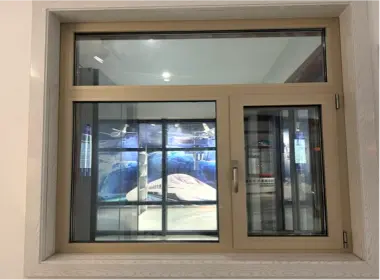
Durable has confirmed that its aluminum awning window can be discussed with double- or triple-glazing options. The workable glass combination and its performance still have to be confirmed for the project's dimensions and system. That one product option should not be read as a promise that every Durable window accepts either build-up.
Choosing Double or Triple Glazing: Project Decision Matrix
Use the matrix to identify what to verify next. It cannot name a winner before both proposals are defined. Project climate and applicable requirements matter, as do orientation and shading; the NFRC design guidance says these conditions influence window selection and that requirements depend on the jurisdiction. The buyer or design team should provide the project's actual targets rather than assume a national rule fits every site.
| Project input | Compare in both options | Evidence to request | If it is missing |
|---|---|---|---|
| Location, building use and thermal target | The proposed whole-window U-factor and energy-efficiency evidence for the same window type and a clearly stated size or rating basis | Project target from the design team; supplier rating or calculation showing frame, glazing and spacer scope | Ask the specifier to set the target and the supplier to identify the rated assembly. Do not compare a glass-only number with a whole-window number. |
| Orientation, shading and solar-gain target | SHGC and visible transmittance for the proposed assemblies, alongside the intended shading strategy | Elevation/window schedule and the rating basis for each proposed configuration | Have the design team confirm the solar-gain and daylight priorities before choosing by insulation alone. |
| Exterior noise concern | The assembly and noise-reduction rating relevant to the noise source and project requirement | The target metric and a report for a comparable window configuration, if required | Ask which metric the project uses and whether the supplied report covers the proposed system. Do not infer sound performance from pane count. |
| Opening size and operation | Glazing thickness and weight, glazing pocket, sash and hardware compatibility for each option | Drawings, glass build-up and written system/hardware confirmation for the required size | Hold the triple-glazing decision until the supplier checks the specified size and opening type. |
| Budget and procurement scope | Two quotations based on the same drawings, finish, hardware and delivery scope | Itemized inclusions, exclusions and any configuration changes required between options | Request a like-for-like revision; a generic percentage premium cannot settle a project quote. |
One confirmed Durable example shows why the matrix should start with an actual configuration: an anonymous hotel project in Ecuador used a 50-series awning-window configuration with double insulated glazing. This records one project choice. It does not establish the project's performance, explain why that option was selected or make double glazing a general recommendation for hotels.
Compare Whole-Window Insulation and Heat-Loss Evidence
A center-of-glass U-factor describes the glazing away from the frame edge. A whole-window U-factor also accounts for the frame and spacers. The DOE selection guide draws that distinction, and NFRC's double-glazing guide cautions against using glass-center values to compare complete window products. If energy efficiency or reduced heat loss is a project target, check the units and the rated product or size, not just the number. Insulation is a result of the complete proposed assembly; pane count alone does not prove it.
Solar heat gain coefficient (SHGC) and visible transmittance (VT) answer different questions from U-factor. A lower SHGC means less solar heat passes through the window; VT concerns visible daylight. The right balance depends on climate, orientation and shading, according to the DOE guide. This is why a low glass U-value alone cannot tell a buyer which glazing package belongs on every elevation.
For commercial work, an NFRC commercial label certificate is one example of a project-specific performance documentation route where that program applies. Mentioning the route is not a claim that Durable holds a certificate or that an NFRC certificate is required for this project. Ask the design team which evidence and local compliance path are relevant, then check that a supplier's document covers the proposed window rather than a different glass unit or system.
Request a Like-for-Like Glazing and Evidence Pack
Give the supplier the same project basis for both options and ask for two clearly named configurations. This checklist focuses on comparing glazing proposals. For the rest of a window RFQ, including general purchasing details, use the site's window quotation checklist.
- Project basis: location, building use, elevations, window schedule or drawings, opening type, dimensions, quantity and the design team's thermal, solar and acoustic targets. Identify which inputs are still provisional.
- Glass build-up for each option: number and thickness of panes, cavity dimensions, coating type and placement, gas fill, spacer and any safety or laminated glass requirement. Ask the supplier to mark anything it has not yet confirmed.
- Matching window system: frame and sash series, glazing pocket, opening hardware and compatibility with each unit at the specified size. Request the change in system or hardware explicitly if the triple option cannot use the double option's assembly.
- Thermal evidence: the U-factor, SHGC and VT offered for each complete window, the units, the standard or calculation method, and the model/size/configuration covered. If only center-of-glass values are available, label them as such and request the missing whole-window evidence before making a product-level comparison.
- Acoustic evidence, if noise is a project target: the required metric and a report's tested window construction and size. FGIA's 2026 acoustics notice distinguishes STC and OITC as different product classifications with appropriate uses; the design team should identify which measure the project needs. Do not accept a bare “soundproof” label as a substitute for the relevant evidence.
- Quotation scope: what each price includes and excludes, and whether a different frame, hardware set, glass treatment, testing or shipping arrangement is assumed. Do not treat an unrelated supplier's percentage premium as this project's price difference.
For a Durable inquiry, double or triple glazing can be discussed for the confirmed aluminum awning product; the project-specific combination and available evidence must still be checked. Put unresolved items in a separate “supplier to confirm” column. That makes the comparison useful even when a final selection cannot yet be made.
When the Decision Should Wait
Keep the choice open if the required glazed unit—typically specified as an insulating glass unit (IGU)—has not been checked against the proposed sash and hardware. More panes do not prove that a particular operable window can accommodate the resulting thickness and weight. Ask the supplier to confirm the proposed system and dimensions in writing.
Pause again if one quote shows a center-of-glass figure and the other a whole-window result, or if the reports cover different window constructions. Request the same rating scope, units and stated conditions for both proposals. If acoustic control is central to the project, ask the design team to define the target and the supplier to provide a relevant assembly report before claiming one option is quieter.
Leave the decision open if the site, elevation or required performance target is still unsettled. Pane count cannot replace those design inputs. Once the drawings and requirements are stable, the custom-windows-from-drawings guide explains how specification review proceeds; it is separate from this glazing comparison.
Frequently Asked Questions
Can a glass U-value alone justify triple glazing?
No. A glass-center value covers only part of the window; the frame and edge also affect the complete assembly. Compare the proposed whole-window figures on a compatible basis, and check which product and size each document covers. DOE explains the scope difference.
What should a buyer request when outside noise is a concern?
First obtain the project's acoustic target and the relevant rating metric from the design team. Then request a report for the proposed window construction and check its scope. STC and OITC are different classifications, as FGIA notes; the number of panes alone does not replace a suitable test or calculation.
If you are comparing two glazing packages for a project, send Durable the location, window schedule or drawings, opening types, dimensions and target performance requirements. The team can then discuss a compatible configuration through its OEM/ODM service or contact page. Keep any unconfirmed performance or document availability marked as open until it has been checked against the actual proposal.
Sources and Evidence Boundary
- Window & Glass Association of New Zealand: Double and Triple Glazing Guide
- U.S. Department of Energy / Efficient Windows Collaborative: Energy-Efficient Window Performance and Selection
- National Fenestration Rating Council / Efficient Windows Collaborative: Standards and Design Guidance
- National Fenestration Rating Council / Efficient Windows Collaborative: Double-Glazing Types and Rating Scope
- National Fenestration Rating Council: Commercial Certification and Labeling
- Fenestration and Glazing Industry Alliance: Acoustical Performance Technical Information Update
- Durable Window: Aluminum awning window, window quotation checklist, custom windows from drawings, OEM/ODM and Contact
The Durable-specific statements in this draft are limited to two confirmed facts: the cited aluminum awning window can be discussed with double- or triple-glazing options, subject to project confirmation; and one anonymous Ecuador hotel project used a 50-series awning-window configuration with double insulated glazing. Neither fact proves a performance result, a universal system capability or a recommendation for another project.


